 Zero Pest
From £220
How to Get Rid of Bed Bugs in a Greenwich Property
Bed bugs are the one treatment where what you do before and after the visit changes the outcome as much as the treatment itself. Here is the whole…
Read the guide →Bed Bug Control advice
Almost everybody who calls us starts with bites, and bites are the least reliable evidence there is. This guide is about what actually settles the question - and how to check a bed properly before spending anything.
This is the single most useful thing on this page, and it goes against every article that tells you to look for bites in a line of three.
Reactions to bed bug bites vary enormously between people. Two adults can sleep in the same bed with the same infestation and one wakes up covered while the other has nothing at all - and the one with nothing is not being spared, they simply are not reacting. Some people take days or weeks to develop a reaction. Some never do.
That cuts both ways, which is why bites are such poor evidence:
What this means practically. Do not book a treatment on bites alone, and do not dismiss the possibility because only one person is affected. Go and look at the bed instead - the insect leaves physical evidence, and that evidence is what settles it.
Ten minutes, a torch and good light. Do it in the morning if you can, because you are looking for what was left overnight.
If that produces nothing at all and the bites continue, the honest next step is to consider fleas - which produce bites around the ankles and lower legs rather than on skin that was uncovered in bed.
Not because it is anybody's fault - it is not - but because the answer predicts how far the problem has spread.
Bed bugs travel with people. Luggage, bags put down in the wrong place, second-hand furniture, and between flats in a converted building. A recent hotel stay or a trip usually means one bedroom is the extent of it. A neighbouring flat in a block is a different conversation and a different plan.
Worth saying plainly, because embarrassment is the single most common reason people wait months before calling - and waiting is exactly what turns a one-room job into a three-room one.
Bed bugs are found in spotless homes and in good hotels routinely. What they need is transport, not mess. Nobody who arrives to treat them is judging the property, and nobody in this trade is surprised by them.
Those last two matter more than they sound. Moving rooms and spraying are the two things that turn a contained problem into a spread one, and knowing whether either has happened changes where we look.
The commonest route in, and the point at which a problem is cheapest to catch.
If you have returned from a hotel, a hostel, a rented flat or a stay with family and something is biting within the following fortnight, treat that timing as significant rather than coincidental. Bed bugs travel in luggage and the delay between arrival and being noticed is usually a week or two.
Caught in the first fortnight this is very often a single room and a single treatment. Caught six months later, after somebody has moved to the spare room, it is a different job at a different price.
Possibly not. Bites are poor evidence on their own - fleas, mosquitoes and skin reactions all produce similar marks. Inspect the mattress seams, the base, the frame joints and behind the headboard. Physical evidence is what settles it.
Only that you are not reacting. Responses vary enormously between people and two adults in the same bed with the same infestation can have completely different experiences. It is not evidence that the problem is confined to one side.
Location is the most useful guide. Flea bites concentrate around the ankles and lower legs, because fleas reach you from the floor. Bed bug bites tend to be on skin that was uncovered in bed. Neither is conclusive on its own.
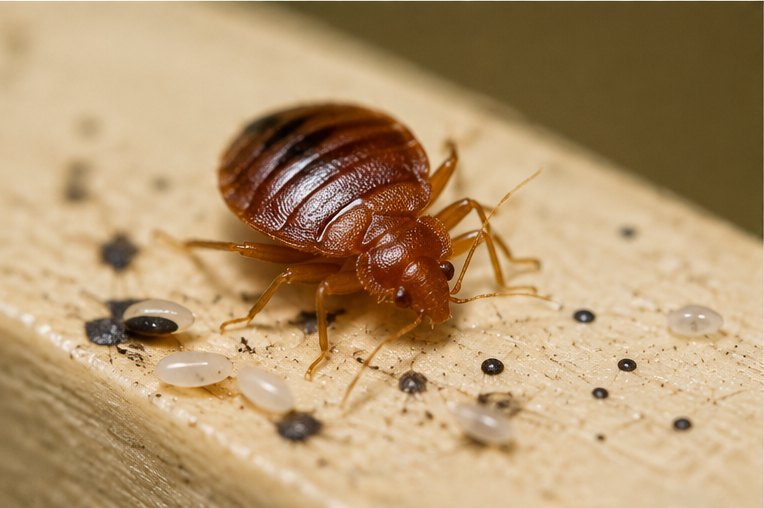
If they mark the fabric and do not brush off, that is digested blood and it is good evidence. Photograph it and check the seams nearby for shed skins, which are often easier to spot than the insects.
No. They travel on luggage, bags and second-hand furniture and turn up in spotless homes and good hotels routinely. What they need is transport, not mess.
The rest of the bed bugs advice centre, and the service page it all links back to: Bed Bug Control Greenwich.
Bed bugs are the one treatment where what you do before and after the visit changes the outcome as much as the treatment itself. Here is the whole…
Read the guide →Bed bug treatment is £220 for the first room and £120 for each additional one - the highest rates on this site. This guide explains what that buys,…
Read the guide →A reference rather than a checklist. The insect at every life stage, every mark it leaves, what each one rules in and out - and the four things…
Read the guide →Treated, clear for a fortnight, and then biting again. There are only three explanations, and telling them apart matters - because two of them mean…
Read the guide →Tell us what you have seen and where in the property you found it, and we will confirm the service and the price before anything is booked.
£220 for the first room and £120 for each additional room. Call 020 3369 0124, send the enquiry form or message us on WhatsApp.