 Zero Pest
Flats £190 | Houses £220
How Do You Know If You Have Ants in Greenwich?
Nobody needs help identifying an ant. The questions worth answering are different: is there a nest, where is it, is it yours, and does this…
Read the guide →Pest Control Greenwich
The trail across the kitchen floor is not the problem. It is the symptom of a nest somewhere else - under a patio, in a cavity wall, beneath a doorstep - and every product that kills the trail leaves the nest producing more of it.
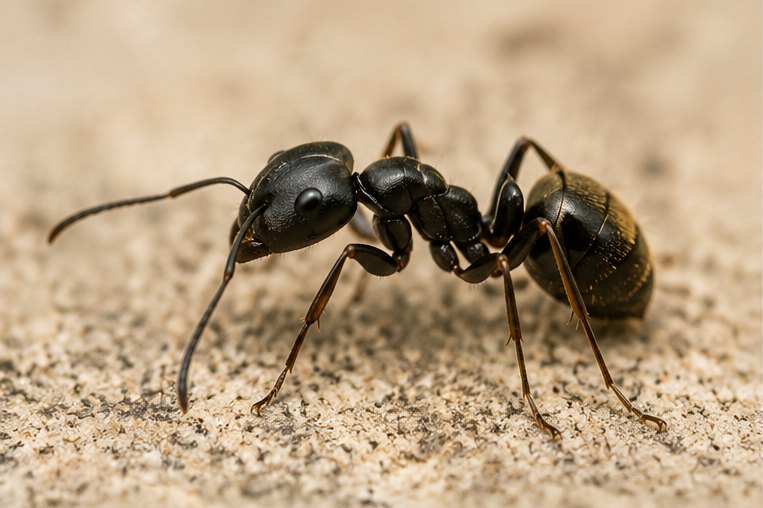
A household ant spray kills the workers it lands on. Workers are the disposable part of the colony - they are produced continuously, and the queen that produces them is not on the kitchen floor. Kill the trail on Monday and the colony sends more out by Wednesday, because nothing that mattered has changed.
There is a second problem with spraying, and it is worse than the first. Heavy chemical disturbance around a nest can cause it to fragment - the colony splits and relocates into several smaller nests in new places. One trail becomes three, in three parts of the building, and the job is now considerably harder than it was before anybody did anything.
Baiting works precisely because it is slow. The workers have to survive long enough to carry it home.
Zero Pest Greenwich publishes its standard treatment prices, so you can see the cost before you contact anybody.
| Ant Control in Greenwich | Published price |
|---|---|
| Flat or apartment | £190 |
| House | £220 |
Ant control is priced by property type. A flat is generally a single point of entry and one or two trails to follow. A house adds a garden, a boundary, outbuildings and often more than one nest to deal with.
If the nest turns out to be in a neighbouring garden or under shared paving, we will say so. Treating your side of a boundary while a mature colony sits on the other side of it is a temporary result and should be sold as one.
The first job is to follow the trail rather than treat it. Where does it enter the room, where does it leave the building, and which side of the wall is the nest on? Ants are helpfully consistent about this: the line they walk is the line to the nest, and a few minutes spent following it is worth more than any amount of product.
Treatment is then aimed at the colony. Bait is placed on the active trail and carried back by the workers to the nest, which is what reaches the part of the colony that is actually producing the problem. Where the nest itself is accessible - under a slab, in a wall void, at a doorstep - it can be treated directly. Broadcast spraying across a kitchen is what we are trying to avoid, not what we are selling.
For a short spell each summer, mature nests release winged males and new queens at more or less the same time across a wide area. It is dramatic, it is brief, and it is not an infestation of the property they emerge next to. What it does tell you is that there is a mature nest close by, which is useful if you have been getting a trail indoors and have not been able to work out where from.
Ground-floor flats, garden flats and terraced houses with a paved yard produce most of the ant enquiries we take, and for a straightforward reason: a nest under a patio, a path or a doorstep is only ever a few centimetres from the inside of the building. Upper-floor flats get ants far less often, and when they do it is usually worth checking whether the route is a cavity or a service riser rather than the front door.

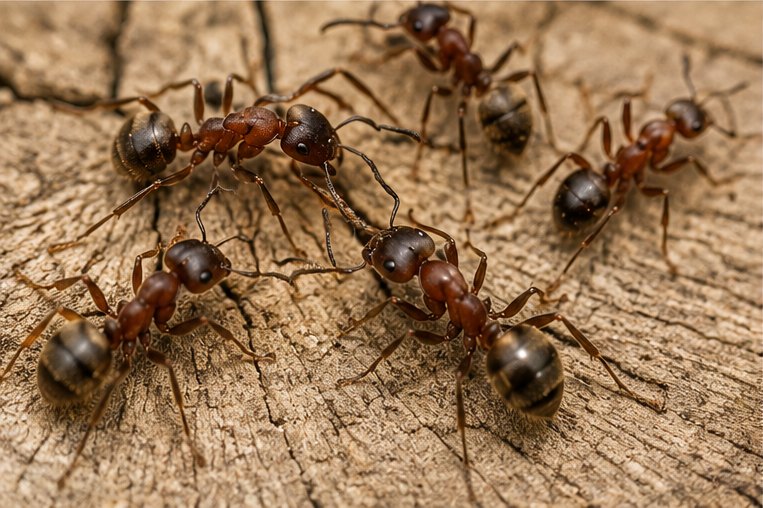
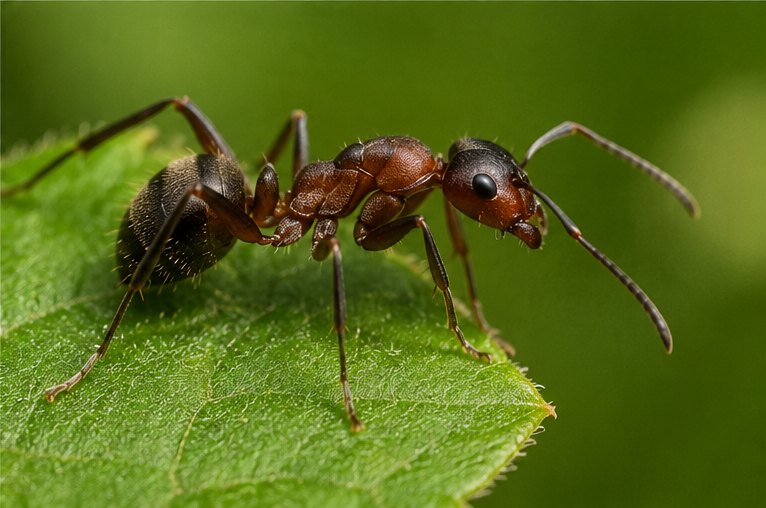
The same service, described for the three situations it is most often booked in.
Tell us where the trail runs and where it disappears to. That single detail is usually enough to know whether the nest is in the garden or in the building.
Ant activity in a ground-floor flat is normally an external nest rather than a tenant issue, and the report will say where it was found.
Kitchens, staff areas and anywhere food is prepared or stored. Tell us where the trail runs and what it is heading for.
Ant Control has its own page for every area we cover, each with the same published price and the detail that actually applies to that area’s buildings.
Five guides for this service are being written for the Zero Pest advice centre.
Nobody needs help identifying an ant. The questions worth answering are different: is there a nest, where is it, is it yours, and does this…
Read the guide →Almost everyone tries the same thing first, and it is the one approach that can leave you worse off than before. Here is what is actually…
Read the guide →Ant treatment is £190 for a flat and £220 for a house. That house figure is the odd one out on this site, and the reason it is lower says…
Read the guide →A reference rather than a checklist. Every sign an ant colony gives away, the two species that behave differently, and the three insects…
Read the guide →Ants return for four reasons, and one of them is unusual: it is caused by whatever was done last time. Working out which applies is what…
Read the guide →Because the spray kills workers and the queen is elsewhere. The colony replaces workers continuously, so the trail returns. Heavy spraying can also split a colony into several nests, which makes the problem larger rather than smaller.
Please do not. The trail shows us the route to the nest, which is the thing we actually need to treat. Clear food sources by all means, but leave the line itself.
No. Flying ants are mature nests releasing new queens and males over a short period in summer, usually across a whole area on the same warm day. It is worth noting only because it tells you a mature nest is nearby.
It is deliberately slow. The workers need to survive long enough to carry it back and share it, which is the whole point. Activity usually increases briefly before it drops, and that is the treatment working rather than failing.
It is priced by property type, with separate published figures for a flat and a house. Both are shown on this page.
Greenwich, Blackheath, Woolwich, Eltham, Charlton, Plumstead and Abbey Wood.
Yes, and for ground-floor flats it is usually the sensible route, because the nest is generally outside the demise of the flat itself.
Call the office or send the enquiry form, and describe where the trail runs, where it goes and whether the property is a house or a flat.
Every service has its own page with its own published price.
Tell us what you have seen, where in the property you found it and whether it is a house, a flat or commercial premises. We will confirm the service and the price before anything is booked.
Flats £190 | Houses £220. Call 020 3369 0124, send the enquiry form or message us on WhatsApp.