 Zero Pest
From £180
How Do You Know If You Have Carpet Moths in Greenwich?
Most people who call us about carpet moths have seen a moth. That is the least useful piece of evidence available. The damage is what…
Read the guide →Pest Control Greenwich
The moths flying around the room are not eating the carpet. Their larvae are, and they are doing it in the places nobody looks: under the sofa, along the edge of the room, beneath a rug that has not been lifted in two years. By the time the damage is visible the population is usually well established.
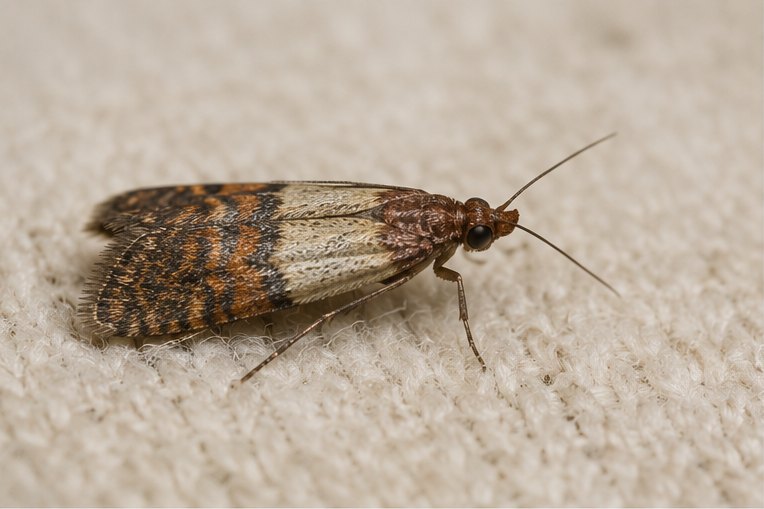
Carpet moth larvae feed on keratin, the protein in animal fibre. That means wool, and it also means silk, felt, sheepskin, feather-filled items, wool underlay and the wool content of a mixed carpet. A pure synthetic carpet is not food, which is why an infestation will run along a wool runner and ignore the man-made flooring next to it, and why the wool underlay beneath a synthetic carpet is sometimes where the whole problem has been living.
It also explains where the damage appears. Larvae avoid light and disturbance, so they work under furniture, along skirting edges, beneath rugs, inside wardrobes and in the parts of a room that nobody walks on. Rooms that are used constantly often show almost nothing while the spare room next door is being eaten.
Carpet moth or clothes moth? They are close relatives with the same appetite and the answer changes where we treat rather than whether we treat. Damage on the floor, at edges and under furniture points at carpet moth; damage inside a wardrobe, on stored knitwear or on a folded wool coat points at clothes moth. Plenty of properties have both, which is worth checking before the treatment is planned.
Zero Pest Greenwich publishes its standard treatment prices, so you can see the cost before you contact anybody.
| Carpet Moth Control in Greenwich | Published price |
|---|---|
| First room treated | £180 |
| Each additional room | £60 |
Carpet moth treatment is priced by the rooms that need treating. That suits the way the problem actually presents: it is very often one room, or one room and the landing, rather than a whole property.
The first room carries the assessment and set-up, with each additional room at the lower rate. We confirm the number of rooms at the visit, and if a room turns out not to need treating, it is not charged.
The survey establishes the extent of the infestation and, importantly, its edges: which rooms are affected, whether the underlay is involved, whether stored wool items are also being eaten, and whether there is a source elsewhere in the property such as an old wool item in a loft or a cupboard.
Treatment is applied to the floor with the emphasis on the perimeter, beneath furniture, along skirting lines and under rugs - the undisturbed zones where the larvae actually are. Adults flying in the middle of the room are the least important part of the problem, which is why treating them alone achieves so little.
A good deal of the housing around Blackheath, Greenwich and Eltham has original floors, wool carpet and long-standing rugs, and carpet moth likes all three. Boards with gaps give larvae somewhere to shelter that a vacuum will never reach, and a wool rug that has sat in the same spot for years is close to ideal conditions. If you have a rug that has not been lifted recently, lift it before you call - it is where the evidence usually is.
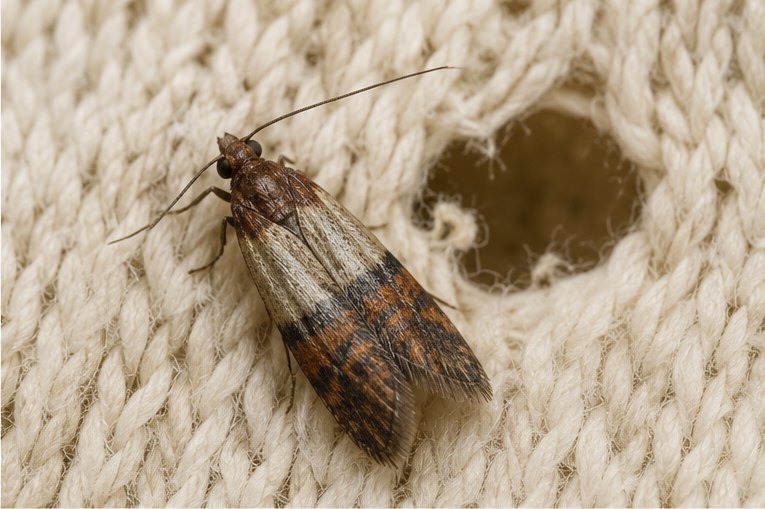
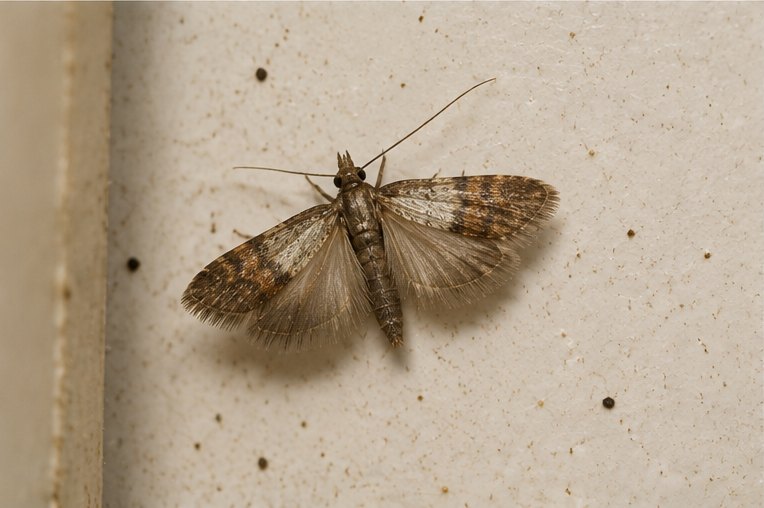
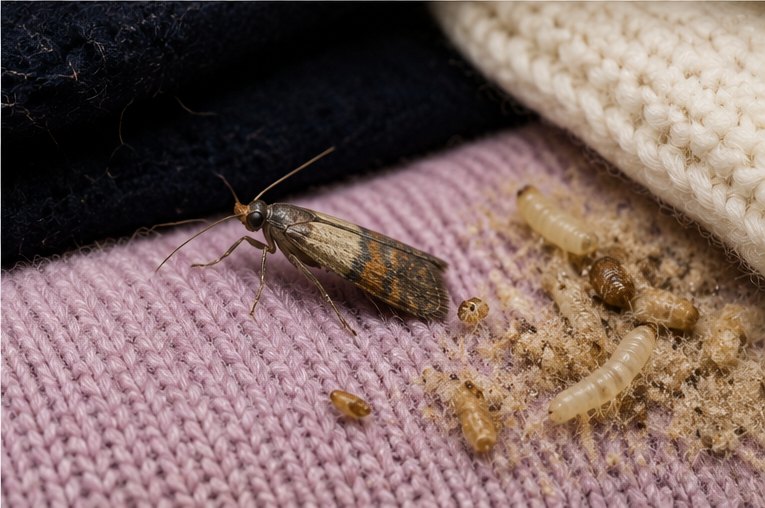
The same service, described for the three situations it is most often booked in.
Tell us which rooms show damage, whether the carpet is wool, and whether there are rugs or stored wool items involved.
Carpet moth damage is a dilapidations question as well as a pest one. The report will record which rooms were affected and the extent of the damage found.
Wool carpet in low-traffic areas - meeting rooms, corridors, under fixed furniture - is where this normally shows up first.
Carpet Moth Control has its own page for every area we cover, each with the same published price and the detail that actually applies to that area’s buildings.
Five guides for this service are being written for the Zero Pest advice centre.
Most people who call us about carpet moths have seen a moth. That is the least useful piece of evidence available. The damage is what…
Read the guide →Carpet moth treatment is almost entirely about the parts of a room nobody walks on. Everything else - the moths, the middle of the floor,…
Read the guide →Carpet moth treatment is £180 for the first room and £60 for each additional one. The question that actually decides your bill is which…
Read the guide →A reference rather than a checklist. Every sign a carpet moth leaves, what it looks like, and how to separate it from the three other…
Read the guide →Carpet moth recurrence has a short list of causes and almost all of them are the same thing in different clothes: somewhere undisturbed…
Read the guide →No. Adult carpet moths do not feed on carpet - the larvae do, and they do it out of sight at the edges of the room and under furniture. Seeing adults means larvae are somewhere nearby.
Because larvae avoid light and disturbance. Undisturbed areas - under furniture, along skirtings, beneath rugs, behind doors - are exactly where they can feed without being interrupted.
No. They feed on keratin, which means wool, silk, felt and other animal fibres. A wool underlay beneath a synthetic carpet can still be attacked, which catches people out.
Damage on the floor and at edges points at carpet moth; damage to stored clothing inside a wardrobe points at clothes moth. They are close relatives and some properties have both, so it is worth checking wardrobes as well as floors.
It is priced by room - a set figure for the first room and a lower rate for each additional room. Both are published on this page.
Greenwich, Blackheath, Woolwich, Eltham, Charlton, Plumstead and Abbey Wood.
Yes. Room-based pricing gives a clear figure and the report records the rooms and the extent of the damage.
Call the office or send the enquiry form, and tell us which rooms are affected and whether the carpet or rugs are wool.
Every service has its own page with its own published price.
Tell us what you have seen, where in the property you found it and whether it is a house, a flat or commercial premises. We will confirm the service and the price before anything is booked.
£180 for the first room and £60 for each additional room. Call 020 3369 0124, send the enquiry form or message us on WhatsApp.