 Zero Pest
From £180
How Do You Know If You Have Spiders in Greenwich?
You do not need help knowing you have spiders. Every building in Britain has them. The question worth answering is whether you have a…
Read the guide →Pest Control Greenwich
This is the one service page where the most useful thing we can tell you is that you probably do not need it. One large spider in the bath in September is not an infestation, and no reputable company should be selling you a treatment for it. Here is what spider control is actually for, and what it is not.
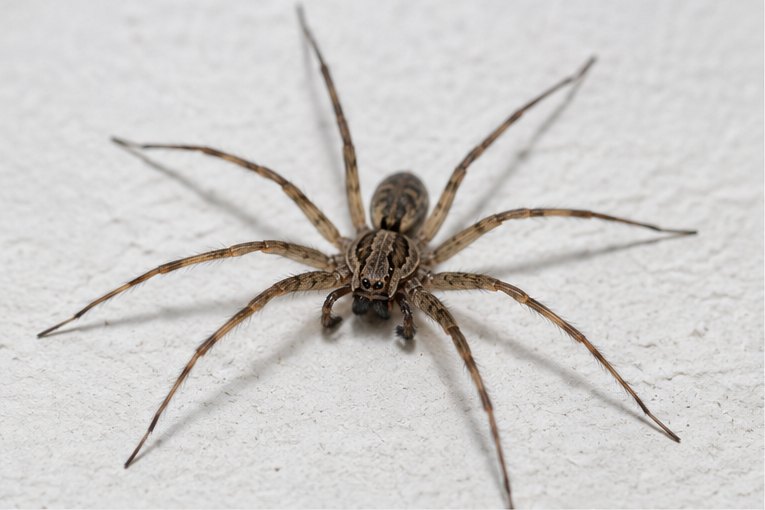
Autumn brings a spike in spider enquiries every year, and almost all of them have the same explanation: mature male house spiders leave their webs in late summer and early autumn to look for females, which is why large spiders suddenly start crossing floors and getting stuck in baths. It lasts a matter of weeks, it happens in every house in the country, and it is not an infestation.
British house spiders are not dangerous, they do not damage the building, and they eat a considerable number of the insects that would otherwise be in the room with you. We are not going to sell a chemical treatment for that. If that is what you have, glass and a piece of card is the correct treatment, and reducing outdoor lighting near doors and windows will do more than anything we could apply.
What we will not do. We will not treat a garden, a boundary or an outbuilding to remove spiders that are living where spiders live. We will not treat a single sighting. If you describe your situation and it does not warrant treatment, we will say so on the phone rather than book a visit.
Steatoda nobilis, the noble false widow, is established across southern England and turns up regularly in London property. It is worth being straightforward about it in both directions. It is the British spider most likely to give a bite worth mentioning, and bites do happen - usually when one is trapped against skin in clothing or bedding. It is also nothing like the animal the headlines describe: bites are uncommon, and most reported ones amount to a local reaction comparable to a wasp sting.
It is also very frequently misidentified. A great many photographs sent to us as false widows are ordinary house spiders or cellar spiders. If you think you have found one, a clear photograph is genuinely useful before anyone books anything.
Zero Pest Greenwich publishes its standard treatment prices, so you can see the cost before you contact anybody.
| Spider Control in Greenwich | Published price |
|---|---|
| First room treated | £180 |
| Each additional room | £60 |
Spider treatment is priced by the rooms or areas that need treating, with the first area carrying the assessment and each additional one charged at the lower rate.
We would rather talk before you book. Describe what you are seeing and how long it has been going on, and if it is the autumn male-spider season - or a single sighting - we will tell you that instead of taking the booking.
Where treatment is warranted, the work is mostly about webbing and harbourage rather than about chasing individual spiders. Existing webs and egg sacs are removed, because leaving them means the population re-establishes from where it already is, and a residual treatment is applied to the harbourage points and the runs between them - frame edges, ceiling junctions, roof voids, cellars, window reveals and the external entry points.
The honest limitation, and it is worth stating: no treatment makes a building permanently spider-free. Spiders come in from outside through the same gaps everything else uses. Reducing the insects they are feeding on, closing entry points and keeping webbing cleared will do more for the long-term result than repeating a treatment will.
Most of the spider work that genuinely needs doing is commercial. Warehousing, storage, workshop space, hospitality frontage and food premises all have standards to meet, and heavy webbing across a stock area or a shopfront is a real operational problem rather than a matter of taste. In those settings a planned programme of web removal and treatment makes sense in a way it usually does not in a three-bedroom house.
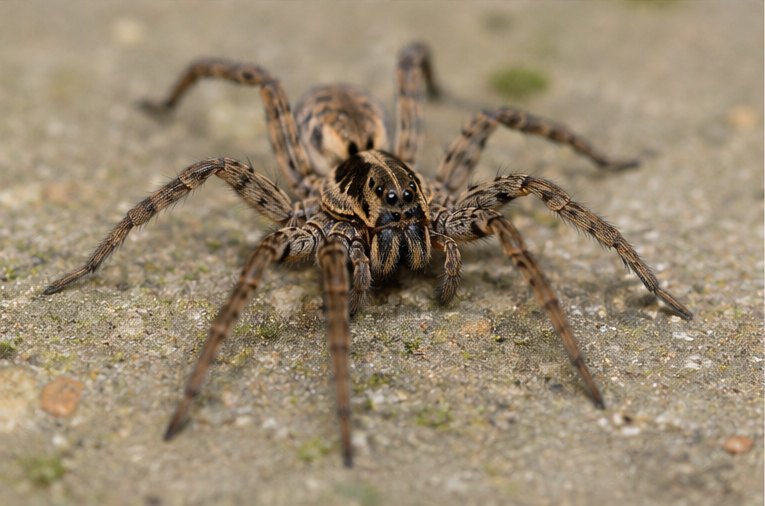
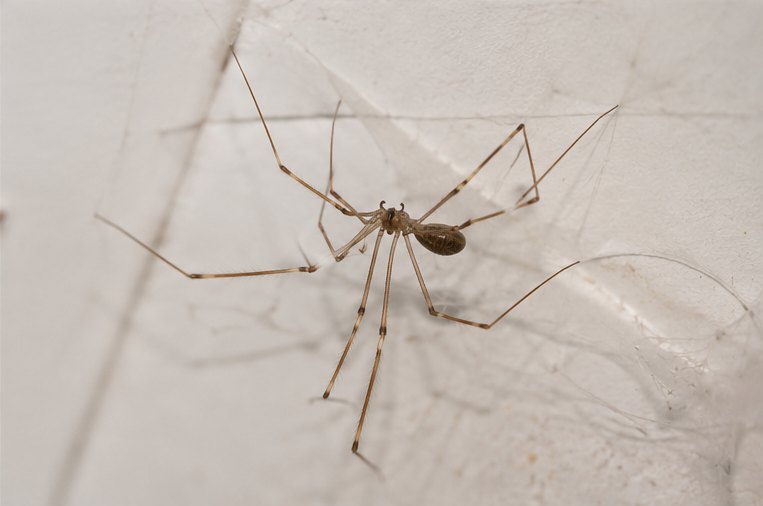
The same service, described for the three situations it is most often booked in.
Tell us how much webbing there is, how quickly it returns after clearing, and whether this is one room or the whole property. That is usually enough to say whether treatment is the right answer.
Heavy webbing in a vacant or partly used property is usually about the building - gaps, lighting and unused space - rather than about the last tenant.
Web removal and residual treatment as a planned programme. Tell us the size and type of the premises and the areas involved.
Spider Control has its own page for every area we cover, each with the same published price and the detail that actually applies to that area’s buildings.
Five guides for this service are being written for the Zero Pest advice centre.
You do not need help knowing you have spiders. Every building in Britain has them. The question worth answering is whether you have a…
Read the guide →Most of what actually reduces spiders in a building costs nothing and has nothing to do with insecticide. Here is the order to do it in,…
Read the guide →Spider control is £180 for the first area and £60 for each additional one. This is the price guide that tells most of the people reading it…
Read the guide →A reference for telling apart the spiders you actually find indoors - and, more usefully, for reading the webs, because the web tells you…
Read the guide →Spiders return because they live outside and a building is not sealed. That is not a treatment failure, it is the situation - and…
Read the guide →No. Large house spiders appear indoors in late summer and autumn because mature males are moving about looking for a mate. It is seasonal, it is brief and it happens everywhere. A glass and a piece of card is the right response.
No. They are not dangerous to people or pets and they do no damage to the building. They also eat a lot of the insects that would otherwise be in the room.
The noble false widow is established in southern England and does turn up in London property. It is the British spider most likely to give a bite worth mentioning, though bites are uncommon and usually amount to a local reaction. It is also very often misidentified, so a clear photograph is worth sending before booking anything.
No, and anyone who tells you otherwise is overselling. Spiders come in from outside. Treatment plus web removal reduces the population; closing entry points and reducing outdoor lighting near doors and windows keeps it down.
It is priced by the areas that need treating, with a set figure for the first and a lower rate for each additional one. Both are published on this page.
Greenwich, Blackheath, Woolwich, Eltham, Charlton, Plumstead and Abbey Wood.
Yes, and it is where most genuine spider work sits - warehousing, storage, workshops and hospitality frontage where webbing is an operational issue.
Call the office or send the enquiry form. Describe the amount of webbing, how fast it returns and which areas are affected, and we will tell you honestly whether treatment is warranted.
Every service has its own page with its own published price.
Tell us what you have seen, where in the property you found it and whether it is a house, a flat or commercial premises. We will confirm the service and the price before anything is booked.
£180 for the first room and £60 for each additional room. Call 020 3369 0124, send the enquiry form or message us on WhatsApp.