 Zero Pest
From £180
How Do You Know If You Have Fleas in Greenwich?
Fleas are one of the few pests you can confirm yourself, for nothing, in about ten minutes. Two tests do it - and they also rule the…
Read the guide →Pest Control Greenwich
Treating the pet does not treat the property. The adult fleas on an animal are a small fraction of an infestation - the rest is eggs, larvae and pupae sitting in the carpet, in the pet's bedding and along the edges of the room. That is what this treatment is for, and it is why the aftercare instructions matter as much as the visit.
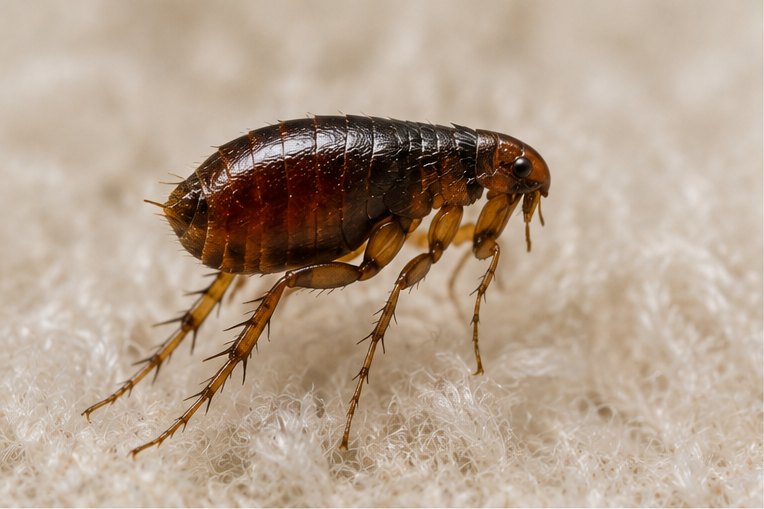
Adult fleas feed on the pet, but the eggs do not stay there. They fall off wherever the animal goes - the carpet, the bed, the sofa, the car - and hatch into larvae that move away from light and down into the pile, the gaps between floorboards, the edges of the room and underneath furniture. The larvae then spin cocoons, and inside the cocoon the pupa can wait.
That waiting is the single most important fact about flea treatment. A pupa is physically protected inside its cocoon and is far less affected by treatment than an adult or a larva. It emerges in response to stimulus - warmth, carbon dioxide, and above all the vibration of something walking past. Which is why an empty house that has been treated can produce a wave of fleas the day someone moves in, and why the instructions below are the opposite of what most people expect.
The vet treats the animal. We treat the property. Both are needed and neither substitutes for the other. Keep the pet's own veterinary treatment up to date and wash its bedding hot - if the animal is still carrying adults, the property will simply be re-seeded after our visit.
Zero Pest Greenwich publishes its standard treatment prices, so you can see the cost before you contact anybody.
| Flea Control in Greenwich | Published price |
|---|---|
| First room treated | £180 |
| Each additional room | £60 |
Flea treatment is priced by the rooms that need treating, because that is what the work is. A single room where the pet sleeps is one room. A property where the animal has had the run of the ground floor is several, and pricing it by room means you pay for the rooms actually involved.
The first room carries the assessment and set-up, and each additional room is charged at the lower rate. We confirm the number of rooms on site before treating.
Treatment is applied to the floor areas, the perimeter of each affected room, under furniture where larvae shelter, and the areas the pet uses most. The edges and the under-furniture areas matter more than the middle of the floor, because that is where the larvae go and where a vacuum cleaner rarely does.
It happens regularly, and it usually has one of two explanations. Either the previous occupants had an animal and the pupae have been sitting dormant since the property emptied - waiting for exactly the footfall that a new tenant provides - or there is animal access to a subfloor, a loft or an outbuilding. If you have taken on a property and started being bitten within days, that is worth mentioning at the enquiry, because it tells us which rooms to prioritise.
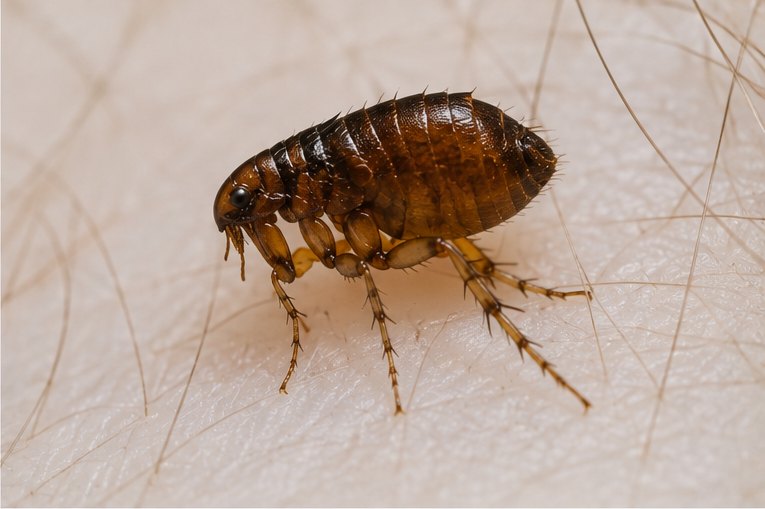
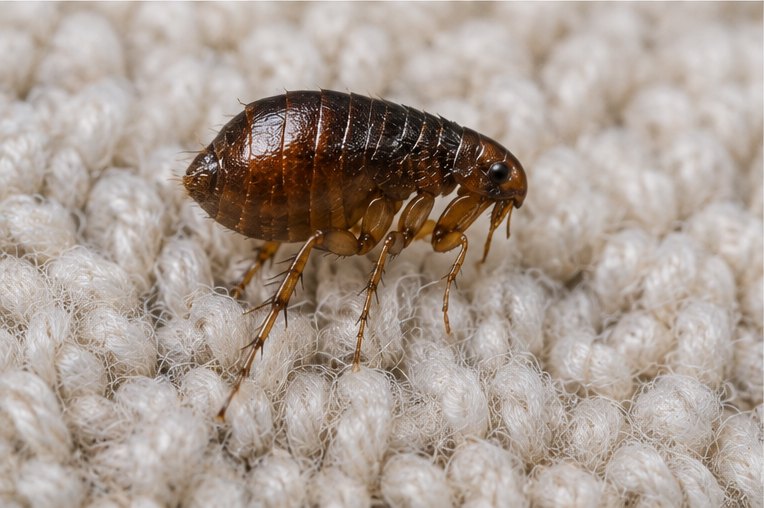
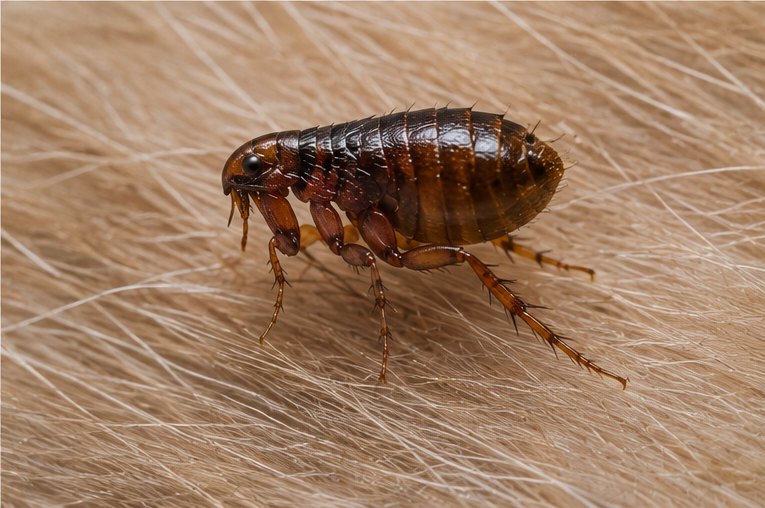
The same service, described for the three situations it is most often booked in.
Tell us how many rooms the pet uses, whether there is carpet, and whether anyone is being bitten in a room the animal does not go into.
Fleas between tenancies are common and are usually dealt with best before the new tenant moves in - though the property still needs walking on afterwards, which is worth planning for.
Ground-floor premises with animal access to a void or a basement. Tell us where the bites are occurring.
Flea Control has its own page for every area we cover, each with the same published price and the detail that actually applies to that area’s buildings.
Five guides for this service are being written for the Zero Pest advice centre.
Fleas are one of the few pests you can confirm yourself, for nothing, in about ten minutes. Two tests do it - and they also rule the…
Read the guide →Fleas are the treatment where the instructions afterwards matter as much as the visit itself - and where the correct instructions are the…
Read the guide →Flea treatment is £180 for the first room and £60 for each additional one - the cheapest additional-room rate we publish. This guide…
Read the guide →A reference rather than a checklist. All four life stages, every mark they leave, and where each one actually lives - because three of the…
Read the guide →Fleas after a treatment are usually not a failure - they are a stage of the process that nobody explained. Here is how to tell that apart…
Read the guide →Because most of an infestation is not on the cat. Eggs fall off into the carpet and develop there. Veterinary treatment deals with the animal; the property needs treating separately, and both are needed.
Because vacuuming and wet cleaning remove the treatment from the floor before it has dealt with the pupae that are still to hatch. Vacuum thoroughly beforehand, then leave the floors alone for two weeks.
Flea pupae are triggered to emerge by vibration and warmth. Foot traffic is what brings them out of the cocoon and into contact with the treatment. Avoiding the room keeps them dormant and prolongs the problem.
Almost certainly not. Pupae continue hatching for a period after treatment and that is expected. What matters is whether the numbers are falling. If they are not, contact us.
Usually because a previous occupant had one and the pupae have stayed dormant, hatching once the property was occupied again. Access by an animal to a subfloor, loft or outbuilding is the other common explanation.
It is priced by the rooms that need treating - a set figure for the first room and a lower rate for each additional room, both published on this page.
Greenwich, Blackheath, Woolwich, Eltham, Charlton, Plumstead and Abbey Wood.
Call the office or send the enquiry form, and tell us how many rooms are involved, whether there is a pet, and whether the floors are carpeted.
Every service has its own page with its own published price.
Tell us what you have seen, where in the property you found it and whether it is a house, a flat or commercial premises. We will confirm the service and the price before anything is booked.
£180 for the first room and £60 for each additional room. Call 020 3369 0124, send the enquiry form or message us on WhatsApp.